Call
now
to solve your nuisance wildlife
problem!
727-710-0373
Serving
Clearwater, FL with humane critter
removal 24 hrs a day* and 7 days
a week
Click
here for a free estimate
Though we often don't see them. Clearwater has abundant wildlife. Even in urban neighborhoods.
Your
property is an ideal habitat.
Trash cans and pet food are easy
meals and swimming pools are convenient
toilets and bathing spots.
As
harmless as their intentions may
be, some wildlife
can be extremely destructive
to your property.
The
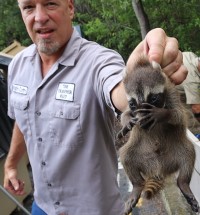
Trapper Guy will come out and
humanely remove
the live animal
from your property and if possible,
relocate it.
I will fix the damage caused and
make preventative measures so
they won't return.
With
proper wildlife control
we can co-exist with our wild
neighbors.
*
24
hour services are for emergencies
only. Live animal in a living
area where safety of the occupants
is in question is considered an
emergency.
|
Clearwater,
FL wildlife news
Residents worry there may be more rats at Clearwater Condominium complex.
By ABC Action News Published July 31, 2019 Clearwater
CLEARWATER, Fla.. — Residents at a condo complex in Clearwater are concerned about rodents in their walls after several rats have been seen and captured.
Sharon Clifford reached out to ABC Action News after she came home from a long vacation in New York and found a closet full of damaged items.
Clifford showed us images of rodent droppings and a plastic container of dog food that was chewed open, with all the dog food inside gone.
"I can't even put into words how it made me feel," she said.
In April, ABC Action News did a similar story in a different building where residents said they were disgusted by a rat infestation.
"You can see from the size of the tail, it’s a rat. It ain't no mouse," said Michael McKinney in April while holding a rat he captured in his condo.
McKinney and many others in his building say they started having a rat problem right after a new roof was installed.
"You hear them in the wall and the ceiling and it sounds like they’re dragging something," said Shari Matthews-Fryer.
Matthews-Fryer said the rats chewed through the waterline to a dishwasher, forcing her 80-year-old in-laws to rip up the flooring.
"Water was everywhere, it flooded the whole kitchen out into the living room," Matthews-Frye said.
ABC Action News reached out to Pinellas County code enforcement and a spokesperson told us they received a phone call last week, however the person did not file a formal complaint.
In an email, a spokesperson said, "We are not aware of a widespread rodent problem at Top of the World condos."
Clifford said the front office has sent a pest control company to start fixing the problem, but she worries it won't fix it.
"They say they're going to take care of it, I just want to make sure they take care of all of it," she said.
ABC Action News reached out to On Top of the World and did not hear back.
. |